
What are common appliance problems?
Appliances play a major role in keeping a home running smoothly, from refrigeration and cooking to cleaning and laundry. When something breaks down, it can quickly disrupt daily routines and create unnecessary stress. This is where appliance repair becomes essential for maintaining comfort and convenience at home.
Understanding the most common appliance issues helps homeowners recognize early warning signs before small problems turn into costly replacements. It also helps you make informed decisions about maintenance and when to call a professional. In many cases, timely repair can extend the life of your appliances and improve their efficiency. This guide explains the most frequent appliance problems, why they happen, and what they may indicate about your home systems.
Refrigerator Not Cooling Properly
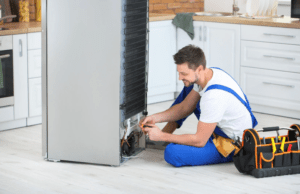
One of the most common household concerns is a refrigerator that stops cooling properly. This issue can lead to food spoilage and increased energy consumption if not addressed quickly. In many cases, airflow blockages, dirty condenser coils, or a failing thermostat are the root causes. Sometimes, it can also be due to worn door seals that allow cold air to escape.
When this happens, appliance repair may involve cleaning internal components or replacing faulty parts. It is important to check temperature settings first, as accidental adjustments are more common than people think. If the issue persists, it may indicate a deeper mechanical or electrical fault.
Regular maintenance can help prevent this problem. Cleaning coils and ensuring proper ventilation around the fridge improves performance. Ignoring early signs of cooling issues often leads to more expensive repairs or even full replacement.
Washing Machine Not Draining or Spinning
Washing machines are essential for daily household tasks, and drainage issues can be extremely inconvenient. A common sign is water remaining in the drum after a cycle or clothes coming out overly wet. This is often caused by clogged drain hoses, blocked filters, or malfunctioning pumps.
In some cases, overloading the machine can also prevent proper spinning. Electrical faults or worn belts may also contribute to the problem. Appliance repair in these situations usually involves inspecting the drainage system and testing internal components.
Routine cleaning of the filter and avoiding overloading can reduce the likelihood of this issue. Small objects like coins or fabric debris often cause blockages, so checking pockets before washing is helpful. If the machine repeatedly fails to drain, professional attention is recommended to prevent further damage.
Dryer Not Heating or Drying Clothes Properly
A dryer that runs but does not heat is another frequent household issue. This problem often results in damp clothes even after a full cycle. Common causes include a faulty heating element, broken thermostat, or clogged lint filter restricting airflow.
Restricted airflow is one of the most overlooked issues. When lint builds up, it not only affects performance but also creates a fire hazard. Appliance repair for dryers often focuses on restoring airflow and replacing heating components when needed.
Cleaning the lint trap after every use is a simple but effective preventive step. Vent ducts should also be checked regularly for blockages. If drying times increase significantly, it is usually a sign that internal components need inspection.
Dishwasher Not Cleaning Dishes Properly
A dishwasher that leaves dishes dirty defeats its purpose entirely. This issue is often caused by clogged spray arms, low water pressure, or detergent problems. Hard water buildup can also affect cleaning performance over time.
Another common cause is improper loading of dishes, which blocks water flow. In some cases, worn seals or malfunctioning pumps may reduce cleaning efficiency. Appliance repair in these cases may involve cleaning internal components or replacing damaged parts.
To prevent issues, regular cleaning of filters and spray arms is recommended. Using the correct detergent type also improves results. If dishes consistently come out dirty, it may indicate a deeper mechanical issue requiring professional attention.
Oven Not Heating Evenly or At All
Cooking becomes difficult when an oven fails to heat properly. Uneven baking or complete heating failure can result from faulty heating elements, broken thermostats, or electrical issues. Gas ovens may also experience ignition problems.
Appliance repair for ovens often includes testing temperature sensors and inspecting internal wiring or gas flow systems. Calibration issues can also cause incorrect temperature readings, leading to undercooked or overcooked food.
Keeping the oven clean and avoiding spills on heating components helps maintain performance. If temperature inconsistencies become frequent, it is best to have the system inspected before the issue worsens.
Unusual Noises from Appliances
Strange sounds coming from appliances are often early warning signs of mechanical issues. Grinding, buzzing, or rattling noises may indicate loose parts, motor problems, or worn bearings.
Ignoring these sounds can lead to more serious damage over time. Appliance repair professionals typically inspect moving parts and tighten or replace components as needed. In refrigerators, noise may come from the compressor or fan motor. In washers, it may indicate drum imbalance or internal wear.
Listening to changes in sound patterns is important. New or increasing noise levels usually signal that something is not functioning correctly and should not be ignored.

Water Leaks Around Appliances
Water leaks are both inconvenient and potentially damaging to flooring and surrounding structures. Common sources include loose hose connections, cracked seals, or clogged drainage systems.
Dishwashers, washing machines, and refrigerators with water dispensers are especially prone to leaks. Appliance repair in these cases involves identifying the exact source and replacing damaged components.
Regular inspection of hoses and seals helps prevent leaks. Even small drips should be addressed quickly, as they often worsen over time and may lead to mold growth or structural damage.
Electrical and Power Issues
Appliances that fail to turn on or frequently trip breakers may be experiencing electrical problems. This can be caused by faulty wiring, internal short circuits, or damaged power cords.
In some cases, the issue may be related to the home’s electrical system rather than the appliance itself. Appliance repair professionals often perform diagnostic tests to identify whether the fault is internal or external.
Using appliances with stable power sources and avoiding overloaded outlets can reduce risks. If an appliance repeatedly loses power, it should be inspected immediately for safety reasons.
Preventive Maintenance and Care
Preventive maintenance is one of the best ways to avoid unexpected appliance breakdowns. Simple habits like cleaning filters, checking seals, and inspecting hoses can significantly extend appliance lifespan.
Scheduling routine inspections also helps identify early signs of wear before they become major issues. Many homeowners only seek appliance repair when something stops working, but regular care can reduce the need for emergency fixes.
Taking time to maintain appliances improves efficiency and saves money in the long run. It also ensures that household systems continue running smoothly without unnecessary interruptions.
Conclusion
Common household appliance issues can range from minor inconveniences to major system failures. Understanding these problems helps homeowners take action early and maintain efficient home operations. From cooling failures to electrical concerns, timely attention makes a significant difference in performance and longevity.
Reliable appliance repair is essential when problems go beyond simple maintenance. For professional assistance in the Northwest Suburbs of Chicago, you can contact Marv’s Appliance Service & Home Repair at +1 847-253-0720. Their expertise helps ensure your appliances are restored quickly and safely, keeping your home running smoothly every day.